

Democrat Presidential nominee Joe Biden’s stance on the issue of hydraulic fracturing has been unclear. During a March 15 debate with then-rival U.S. Sen. Bernie Sanders of Vermont, Biden said that there would be “no new fracking” in his administration. In an interview with a Pittsburgh TV station the following month, however, Biden pledged not to “shut down this (natural gas) industry.” His campaign website also states that a Biden administration would ban “new oil and gas permitting on public lands and waters.”
Given the mixed messages Biden and his campaign have presented regarding oil and gas development, Rigzone caught up with an energy industry veteran for his insights on what the Biden camp’s proposals could mean for the industry – and how they might influence voters. Read on for a perspective from Bill Ebanks, Houston-based managing director in the energy practice of global consulting firm Alix Partners.
Rigzone: How might Biden’s stance on hydraulic fracturing resonate with voters, particularly in oil and gas-producing states?
Bill Ebanks: Vice President Biden has communicated what some might say are several conflicting positions over the past year on issues important to the domestic oil and gas industry, including hydraulic fracturing. With the recent release of Biden’s plan for “Climate Change and Environmental Justice,” he appears to be staking out an ambitious proposal to achieve 100-percent clean energy and reach net zero emissions by 2050, among other goals.
While there does not appear to be any specific mention of Biden’s stance on fracing in the document, he does mention several proposed initiatives that would likely impact the oil and gas industry, including:
- Requiring aggressive methane pollution limits for new and existing oil and gas operations – likely impacting the practice of gas flaring as well as requiring additional monitoring of methane emissions from wells, facilities and pipeline infrastructure
- Ending subsidies for fossil fuels – for oil and gas, the majority of the subsidies come in the form of tax deductions and incentives on royalty payment relief
- Eliminating drilling in the Arctic National Wildlife Refuge (ANWR) – an area recently seeing an uptick in exploration activity
- Banning new oil and gas permitting on public lands and modifying royalties to account for climate costs – potentially a very significant impact on the industry.
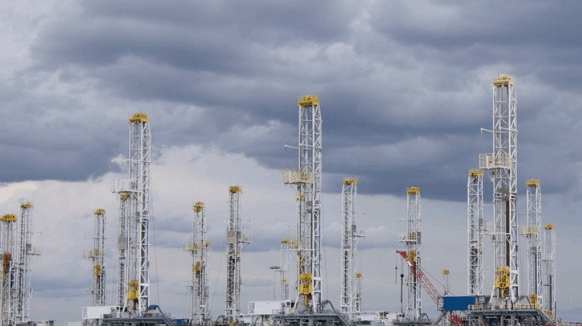
While hydraulic fracturing is not a common practice in the offshore area, it is necessary in many of the onshore basins – including on federal lands – to make new oil and gas development economic. By potentially banning new oil and gas permitting on public lands, he will in effect be banning hydraulic fracturing on federal lands since most often that practice is used at the time new wells are drilled.
In terms of popularity with voters, the majority of the federal onshore land producing oil and gas are in two states: Wyoming and Colorado. Voters in Republican-leaning Wyoming may not favor this policy while Democratic-leaning Colorado voters may be more supportive of the proposal. Other areas with onshore oil and gas on federal land may be similarly split along traditional lines, with Alaska and Utah likely leaning against a ban and California supporting it.
Rigzone: Unfavorable commodity prices have already stifled offshore development in recent years, during both the Obama and Trump administrations. What impact do you see Biden’s proposed ban on new permitting on public waters having on the industry?
Ebanks: A potential ban on oil and gas permitting in offshore waters could have a significant negative impact on the domestic oil and gas industry. Federal waters current provide approximately 15 percent of total U.S. oil production and five percent of all natural gas production and are an important contributor to the U.S. economy – with estimates of $3 billion a year going directly to the U.S. government from leasing and royalty payments and $30 billion a year injected into the U.S. economy from the spending associated with drilling and producing oil and gas.
Importantly, federal offshore lands are believed to hold billions of barrels of undiscovered oil and gas which the industry would like to pursue under the right economic environment. Importantly, federal offshore lands are believed to hold billions of barrels of undiscovered oil and gas which the industry would like to pursue under the right economic environment. An offshore ban would likely not only impact existing offshore areas such as the Gulf of Mexico off the Texas and Louisiana coasts, but extend the moratorium in other prospective areas such as in federal waters off the Florida coast and along the Atlantic coast.
At a time when many oil and gas producers and service companies are struggling financially, a ban on offshore drilling in federal waters could add even further pressure to the industry and could result in many companies moving their activities to explore and produce oil and gas overseas. The U.S. is already one of the most highly regulated countries in the world in terms of emissions and environmental pollution controls. Shifting oil and gas development activity overseas to countries with less developed climate policies could, ironically, service to increase on the climate and environment.
To contact the author, email mveazey@rigzone.com.


No comments:
Post a Comment